



All information sourced from publishers.
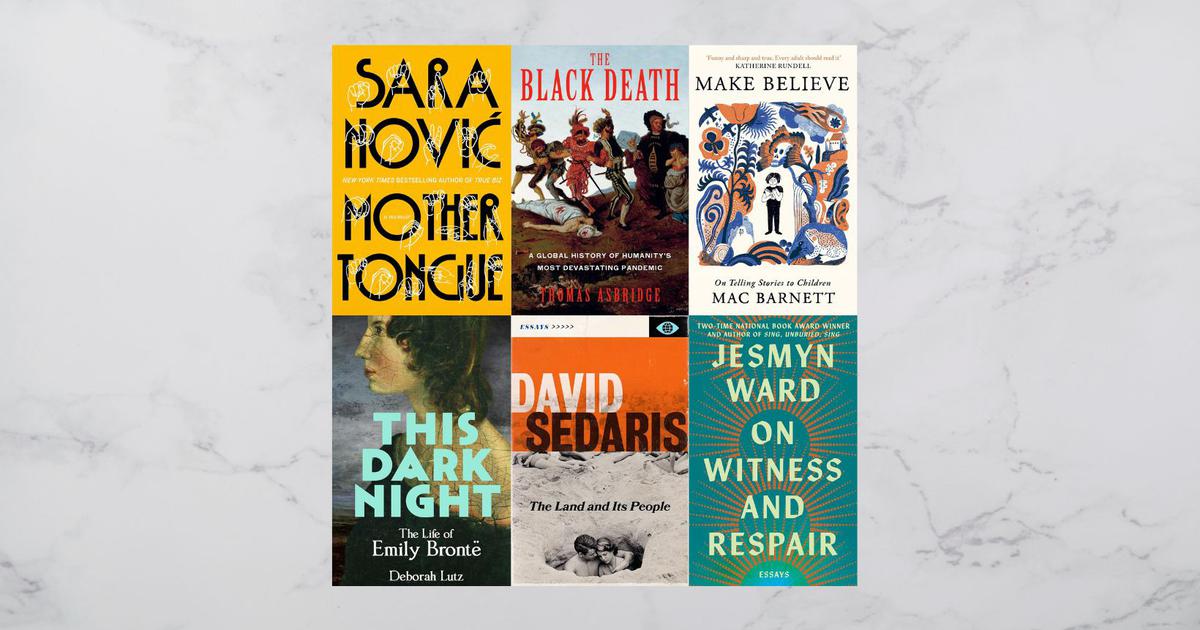
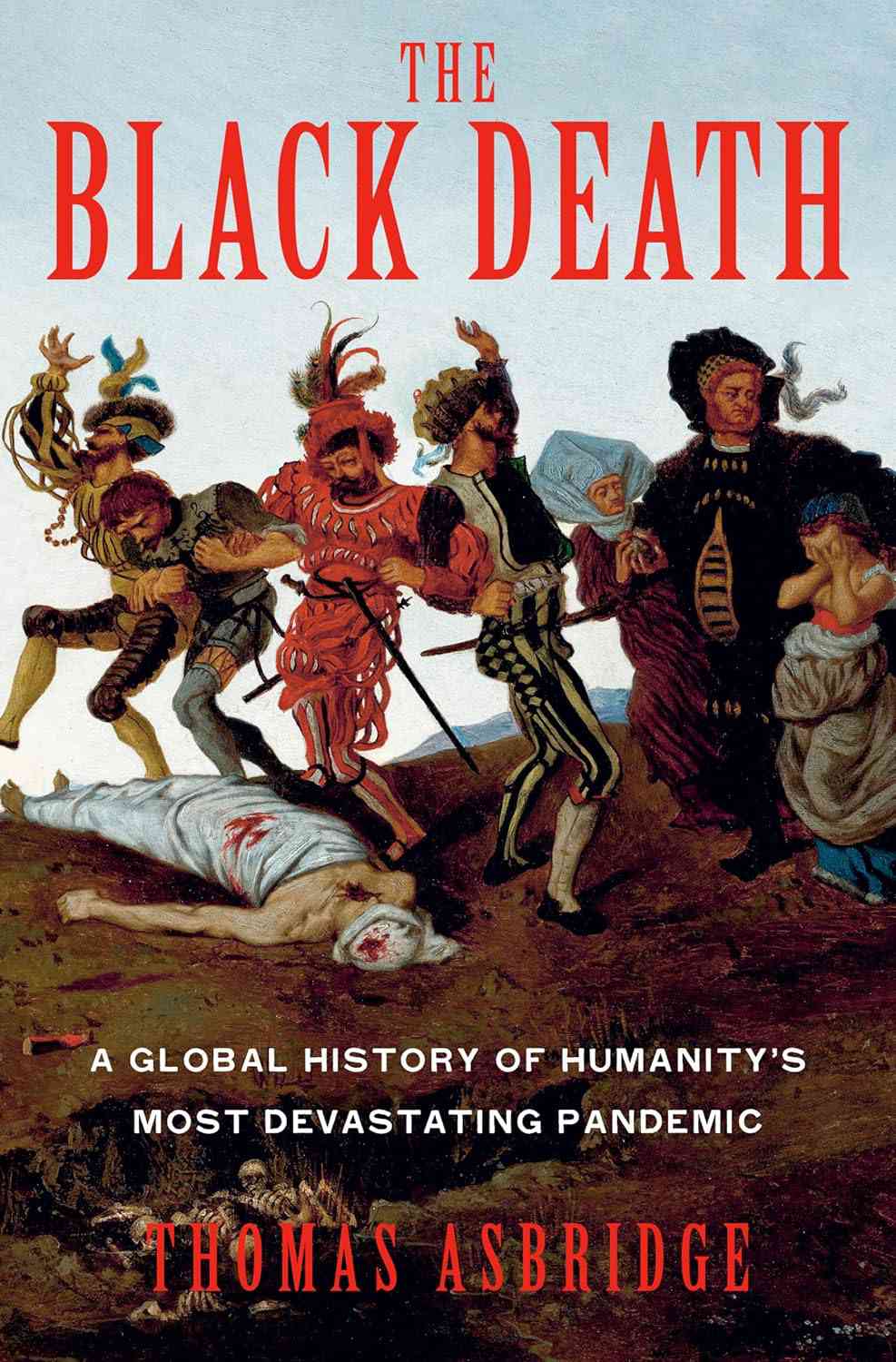
The Black Death: A Global History of Humanity’s Most Devastating Pandemic, Thomas Asbridge
In the mid-14th century, a lethal plague struck the medieval world, causing unimaginable suffering and destruction. The Black Death was unquestionably one of history’s defining episodes, yet a critical feature of its progress has often been ignored: the disease was not confined to Europe, but rather affected almost all of the known world, including the Near and Middle East, Byzantium, North Africa and Asia.
Tracing the pandemic’s course across the medieval globe, The Black Death contrasts the experiences of different peoples, including Christians, Muslims, and Jews, charting this catastrophe’s transformative effects on diverse aspects of medieval life. And crucially, Asbridge demonstrates that the plague was often at its most destructive in the Islamic world, where it ultimately played a role in the collapse of the mighty Mamluk Empire.
The Black Death also brings the human drama of this calamitous era to life, evoking the terror and the turmoil that beset cities such as London, Cairo, and Florence. Asbridge reconstructs the lives of the men, women and children who faced the Black Death – from ruling monarchs to peasant farmers – laying bare both the abject horror they endured and the courageous resolve they often demonstrated while striving to survive.
Uncovering a story that speaks to our own age, The Black Death highlights humankind’s capacity for compassion and resilience amidst a global crisis to explain how the medieval world confronted, and ultimately overcame, this shattering pandemic.
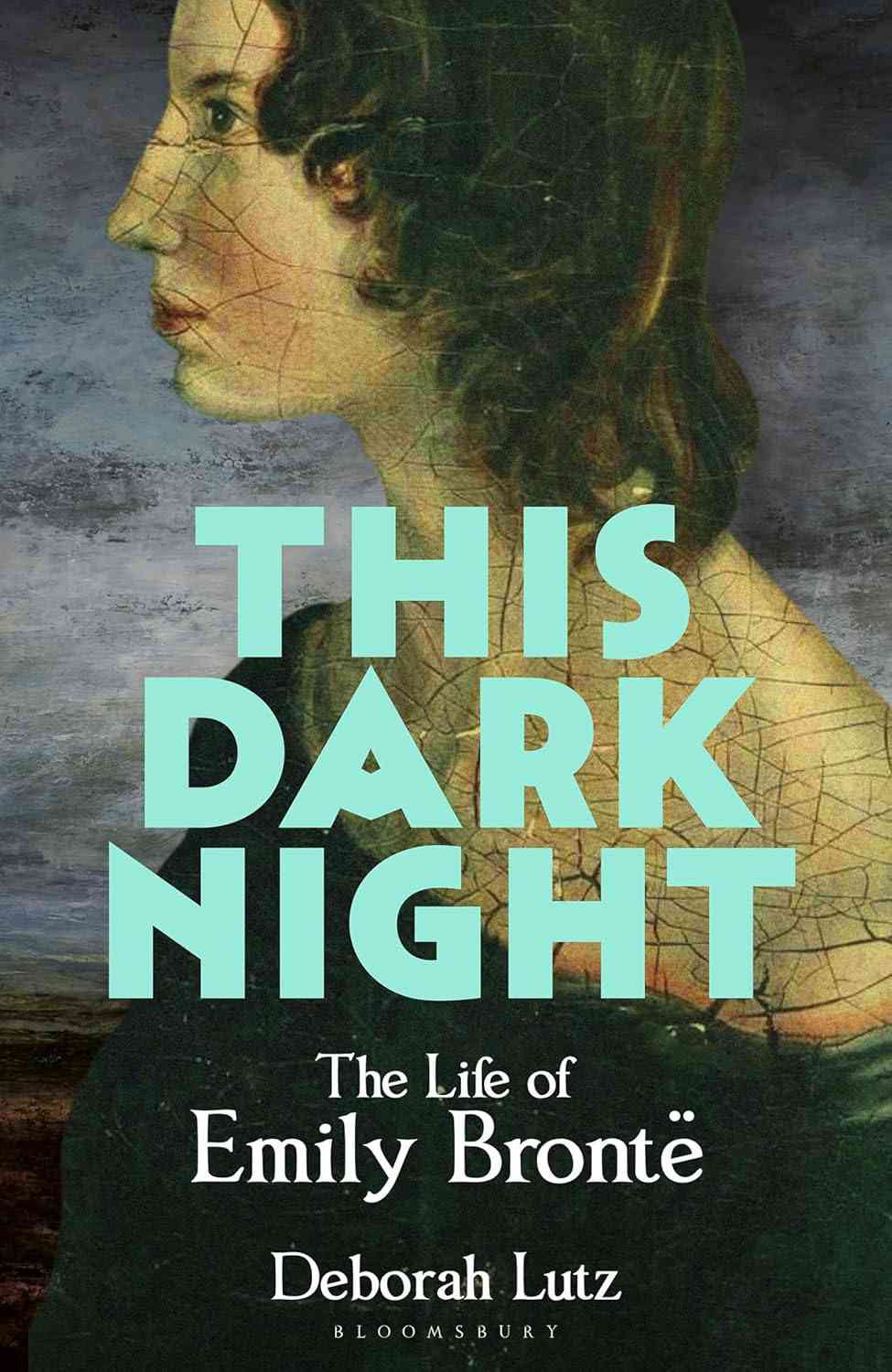
This Dark Night: The Life of Emily Brontë, Deborah Lutz
Emily Jane Brontë was just 27 when she started writing the wayward and electric novel Wuthering Heights. Three years later, she was dead. Out of step with her own time and remembered as the strangest of the Brontë sisters, there's much that we don’t know about her – most of her papers were destroyed after her death. But as Deborah Lutz explores in this, one of the first biographies of Emily in 20 years, the writing that has survived seethes with storm and strife and with the beautifully desolate landscape of Yorkshire.
Drawing on a vast quantity of unexplored archival materials, Deborah reconstructs the texture of Emily Brontë's days, bringing us closer to one of the greatest and fiercest writers we have, by showing us her creative process and her confidence in her strange art.
This book has much to reveal to readers of Wuthering Heights, as we accompany Emily around the wild moorlands she loved so much. Also threaded through with the contemporary politics and events of the era (from the early labour movements of the Chartists and reformists, to the slave uprisings in the colonies), and authors and locals that Emily read about or knew (from proto-feminist Mary Wollstonecraft to the masculine lesbian Anne Lister).
Featuring illuminating readings of her poems, This Dark Night takes us inside the world of Emily's irrepressible spirit and wild imagination.
On Witness and Respair: Essays, Jesmyn Ward
This collection of essays documents more than a decade of work in the life of Ward. Beginning with her upbringing in a multigenerational household in rural Mississippi, the cradle of both her youth and her gift for storytelling, Ward brings her keen wisdom and hauntingly lyrical prose to a range of topics, following in her grandmother Dorothy’s footsteps when she promises always to “Tell it straight. Tell it all.”
True to her word, in these pages Ward contemplates the writers and novels of her youth and adulthood – the transformative power of discovering Octavia Butler as a 20-something, the mirror that Richard Wright’s novels held up to her own childhood, and of course, her lifelong love for Toni Morrison. Ward ruminates on her approach to both fiction and life, reflecting on the power of the novel, how to raise a Black son in an era of rising divisiveness and cruelty, as well as her own personal tragedies – including the titular essay of the collection, which tells the story of her partner’s sudden death on the eve of the Covid epidemic. Every bit as piercing and moving as her fiction, On Witness and Respair is a monument to hope, beauty, and personal and collective resilience.
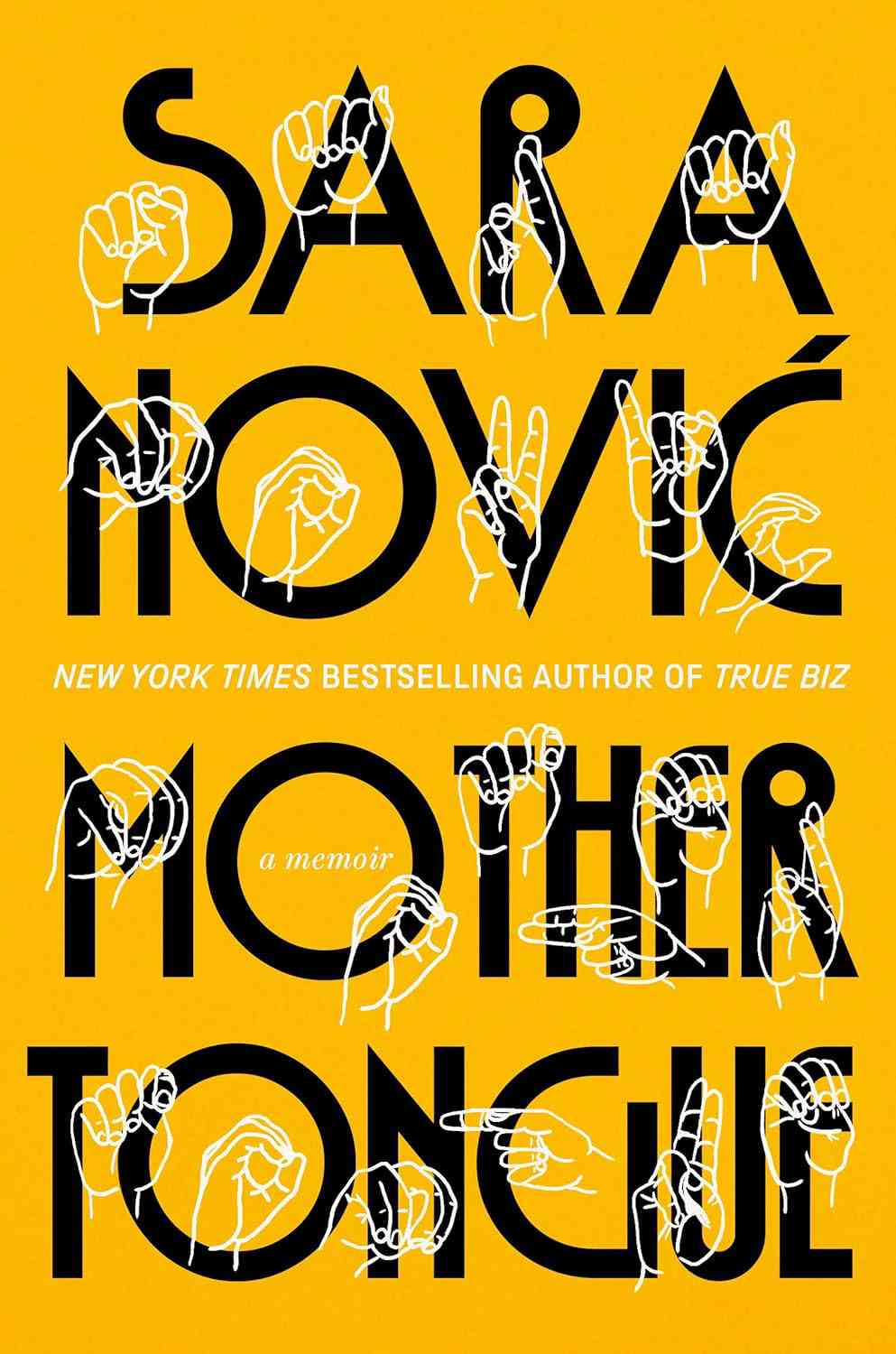
Mother Tongue: A Memoir, Sara Novic
Sara Novic’s early years were steeped in music, Bible study, and a strong desire to fit in. But when she failed her school’s mandated hearing test, her worldview was thrown into chaos. Desperate not to be marked as different, she told no one, staying in the hearing world for as long as she could by brute force.
Eventually, unable to ignore the fact that she was deaf, Novic sought out other deaf people and was welcomed into a tight-knit community rooted in the beauty and joy of American Sign Language. Novic realised that rather than maintaining the facade of her old life or trying to straddle two worlds, she would need to cultivate an existence in the space between.
Now the mother of two young sons – one, biological and hearing, the other, adopted and deaf – Novic reflects on her life both before and after parenthood. She’s raising her children within the deaf world, offering them things her younger self needed, all the while knowing that as her children grow, their own paths will branch off from hers in ways she cannot fully predict or plan for.
Interwoven with Novic's personal story is a portrait of America through reflections on some of its most complex histories: the rise of the Christian right, the thorny world of international adoption, and above all, the deaf and disabled communities’ stubborn survival in the face of persistent oppression.
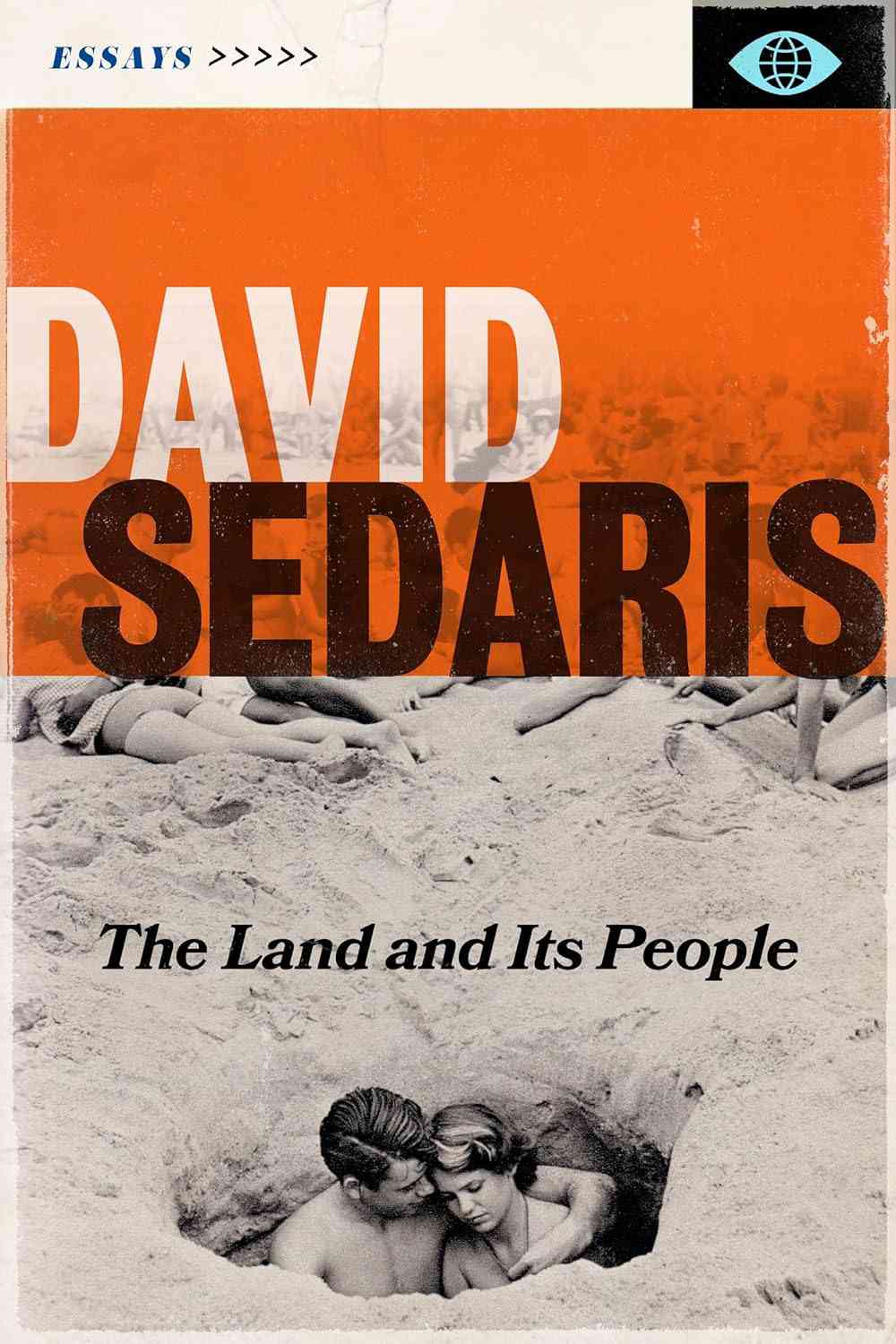
The Land and Its People: Essays, David Sedaris
In The Land and Its People, David Sedaris investigates what it means to be a traveller, a brother, a lifelong friend. Trying on the role of carer after his boyfriend Hugh’s hip replacement surgery, he both succeeds and fails. He covers ground with his friend Dawn and challenges her to eat a truck tyre. An ambivalent Duolingo bot becomes his unlikely confidante as he attempts to describe his family in a foreign language. Ever adding to his list of “Countries I Have Been To,” he rides a horse named Tequila in Guatemala, buys a bespoke priest’s cassock in Vatican City, and goes on safari in Kenya without taking a single photo.
Time takes its toll: Scrolling through his address book, he counts those he couldn’t bear to outline and realises how many are already gone. He is bitten by a dog and insulted by a wee train passenger. A woman on the street late at night either sexually harasses him or doesn’t. It’s easy to agree with the lady waving a sign that reads, “Enough is Enough.” And yet, life holds much to delight in: the massive testicles of a ram, a trip abroad with his sisters, a really excellent reptile video, a pair of well-made cotton underpants…
Throughout these essays – at once acerbic and tender, playful and profound – Sedaris shows how much there is to marvel at when you keep your head up and your eyes open, observing with warmth and curiosity our fascinating human species and the lands we inhabit.
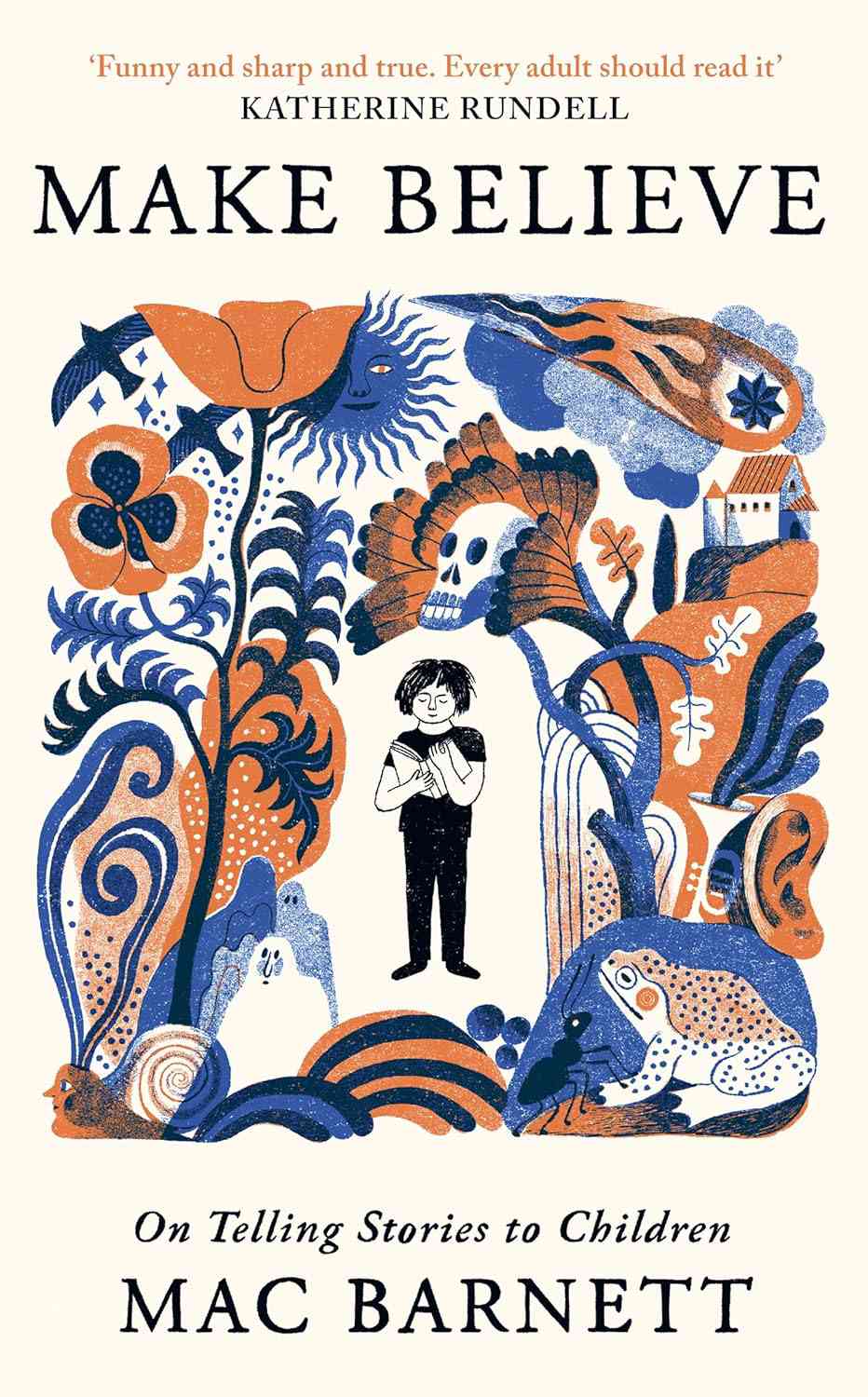
Make Believe: On Telling Stories to Children, Mac Barnett
Mac Barnett, children’s author and the US National Ambassador for Young People’s Literature, urges us to think expansively about the potential of children’s books – and the particular brilliance of young readers:
What if children are a great audience for art?
What if they are in fact better equipped to engage deeply with stories than adults?
What if humans’ ability to appreciate art is, if not innate, awakened early in childhood?
Well, then we’d better do our best to make some good kids’ books.
Make Believe is Barnett’s incisive, intimate, and timely invitation to approach children’s literature not only as an art form worthy of deep study and criticism, but as a portal into the lives of the children. And at a time when we are faced with a national literacy crisis, he champions the profound joys of literature and the importance of reading for pleasure.